

Admissions and education guide: This article is designed to help prospective students understand the current application and tuition information published by University of NorthWest. It is not an independent ranking, accreditation endorsement, or guarantee of admission.
For many applicants in Pakistan, the hardest part of planning postgraduate study is not deciding whether to continue their education. It is working out when to apply, how previous study will be reviewed, whether a flexible study format can fit around work and family responsibilities, and what the real tuition schedule looks like before making a commitment.
University of NorthWest currently publishes information for Bachelor’s, Master’s and Doctoral study pathways and describes online/distance learning as a flexible option that can allow students to work when and where their circumstances permit. For applicants who are completing an undergraduate degree, returning after an interruption, or bringing substantial professional experience into a new application, the key point is to plan around an individual academic review rather than assuming automatic admission, automatic credit transfer, or automatic course exemptions.
Why this matters for applicants in Pakistan
A common prospective-student search is: “Can I start planning a master’s while I am still finishing my bachelor’s?” The sensible answer is yes—you can plan early—but eligibility for a particular programme should be confirmed through the University’s admissions process. If your bachelor’s degree is still in progress, your application should present your education history accurately and allow the admissions team to determine what documentation or completion evidence is required.
The same principle applies to adults returning to higher education after several years away. Previous education and professional experience can be relevant, but applicants should not assume that earlier study or work experience will automatically shorten a degree. University of NorthWest’s official admissions information states that students who demonstrate prior experiential learning may be entitled to reductions toward degree requirements. That is best understood as a case-by-case academic review, not a guaranteed transfer formula.
Flexible online and distance study
The University’s current admissions information describes the convenience and flexibility of studying from a distance and indicates that students can work within personal time constraints. This can be particularly relevant to working adults, teachers, business professionals, parents, and students whose location makes regular campus attendance difficult.
Prospective students should still verify the delivery format of the exact programme they are considering. “Flexible” does not mean that every programme has identical assessment methods, timelines, or academic requirements. Before enrolling, confirm the programme structure directly with admissions and review the current official programme information.
Start with the official University of NorthWest Admissions page.
Current published off-campus tuition
For students planning from Pakistan or elsewhere outside a campus setting, the University’s current tuition page lists the following off-campus charges. Fees are published by the University and are stated to be subject to change, so applicants should always re-check the official page before payment.
| Programme level | Admission fee | Tuition fee | Examination fee |
|---|---|---|---|
| Bachelor’s | US$100, non-refundable | US$750 per semester | US$100 per semester |
| Master’s | US$100, non-refundable | US$1,500 per semester | US$100 per semester |
| Doctorate | US$150, non-refundable | US$2,500 per semester | US$200 per semester |
The same official tuition page states that an Easy Installment Program is available for registered students. Because the University does not publish a single universal installment schedule on that page, applicants should ask the Admission Office for the terms that apply to their own registration rather than assuming a particular monthly amount or payment date.
Review the current figures directly on the official Tuition Fee page.
If you are still completing your bachelor’s degree
Students in the final stages of undergraduate study can make the admissions process easier by preparing a clear academic record now. Keep copies of available transcripts, semester results, certificates and any official evidence showing your current status. When you apply, disclose your education accurately rather than presenting an unfinished qualification as completed.
For a future Master’s application, the admissions team can then determine what is needed for formal eligibility and whether any additional documentation should be supplied after graduation. If a particular Master’s field is important to you, confirm that the exact programme is currently available before making financial decisions.
Returning to study after an interruption
Many adult learners have a less linear academic history: a degree started years ago, professional training completed outside a university, workplace learning, teaching experience, technical certifications, or earlier study that was never formally transferred. The University’s admissions page specifically acknowledges the relationship between professional experience and education and notes that demonstrated prior experiential learning may be considered toward course reductions.
The safest way to approach this is to prepare evidence. Depending on your background, useful materials can include official transcripts, course descriptions, certificates, employment records, professional portfolios, or other documentation that helps an academic reviewer understand what you have already studied or learned. The final decision belongs to the University’s academic review process.
A practical five-step application plan
- Choose the degree level first. Decide whether you are seeking Bachelor’s, Master’s or Doctoral study, then verify the specific programme currently offered.
- Prepare your complete education history. Include completed and, where relevant, still-in-progress study honestly and clearly.
- Request individual review where needed. If you have prior university study or substantial experiential learning, ask how it may be assessed; do not assume automatic exemption.
- Plan tuition from the official schedule. Use the current published fees as your baseline and ask admissions about the Easy Installment Program if cash-flow planning is important.
- Apply through the official channel. Use the University’s current application page and keep copies of the information and documents you submit.
You can begin through the official Apply Now page. Applicants who want a preliminary global admission review can also use the global admission-review page, while final programme and admission decisions remain subject to University review.
What not to assume
Prospective students should avoid making decisions based on claims that are not confirmed for their specific programme. Do not assume guaranteed admission, guaranteed transfer of previous credits, guaranteed course reduction, a fixed installment amount, or automatic eligibility for a collaborative or dual-degree route.
Where an international cooperation, collaborative, or dual-degree pathway is relevant, it should be treated as programme-specific and dependent on an applicable current written agreement and academic approval. Applicants should request confirmation for the exact programme before relying on such a pathway.
Bottom line for Pakistan-based applicants
If you are finishing a bachelor’s degree, returning to education after a break, or trying to fit postgraduate study around employment, the strongest approach is to separate planning from assumptions. University of NorthWest currently publishes flexible online/distance-learning information, degree pathways at Bachelor’s, Master’s and Doctoral levels, a defined off-campus tuition schedule, an Easy Installment Program for registered students, and the possibility of individual consideration of demonstrated prior experiential learning.
Your next step should be to verify the exact programme, submit an accurate academic history, and ask for an individual review of anything in your background that may be relevant. Use the Admissions, Tuition Fee, and Apply Now pages as the primary sources before making an enrollment or payment decision.
İlgili Haberler
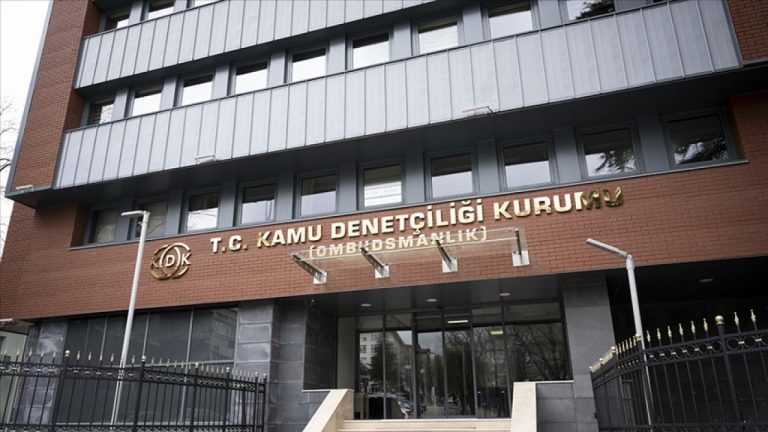 KDK'nın girişimiyle bursu kesilen öğrenciye geriye dönük ödeme yapılacak
 Üniversitelere gelecek yıl için 871 milyar liranın üzerinde ödenek ayrıldı
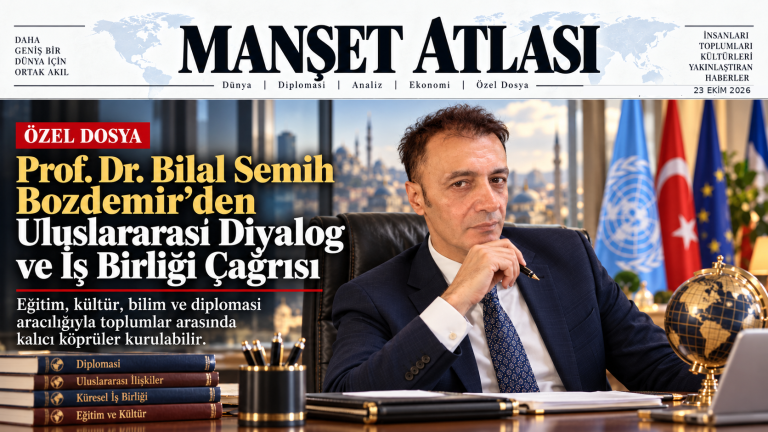 Bilal Semih Bozdemir’den Uluslararası Diyalog ve İş Birliği Çağrısı: Akademi, Kültür ve Diplomasi Arasında Yeni Köprüler
 KPSS Ortaöğretim pazar günü yapılacak
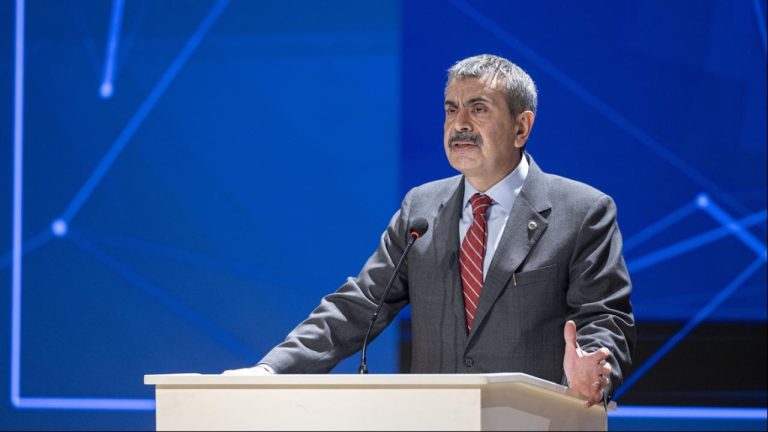 Bakan Tekin: Okullardaki fiziki altyapımız ile OECD ortalamasının üzerine çıktık
 Dijital Üniversite Platformu 16 modülde ücretsiz eğitime başlıyor